


Kenya loses over a fifth of its generated power to technical and commercial losses. For large energy users, smart metering is the fastest way to stop paying for someone else's leak.
Kenya's national grid loses more than a fifth of the power it generates before it ever reaches a paying customer, a figure more than double the global average for a well-run utility. Roughly half of that gap is technical, dissipated in aging transmission infrastructure, but a substantial share is commercial: theft, meter tampering, and billing fraud concentrated disproportionately among large industrial and commercial accounts, some of which have been documented paying a fraction of their actual consumption for years before detection.
For a business, the immediate lesson is not about national policy, it is about what happens on your own site. A facility running its own solar installation, backup generation, or simply a large grid connection has the same blind spot the utility does: without sub-meter visibility into where power actually goes, you cannot tell the difference between genuine consumption growth, equipment inefficiency, and unauthorised load or outright pilferage on your own circuits.
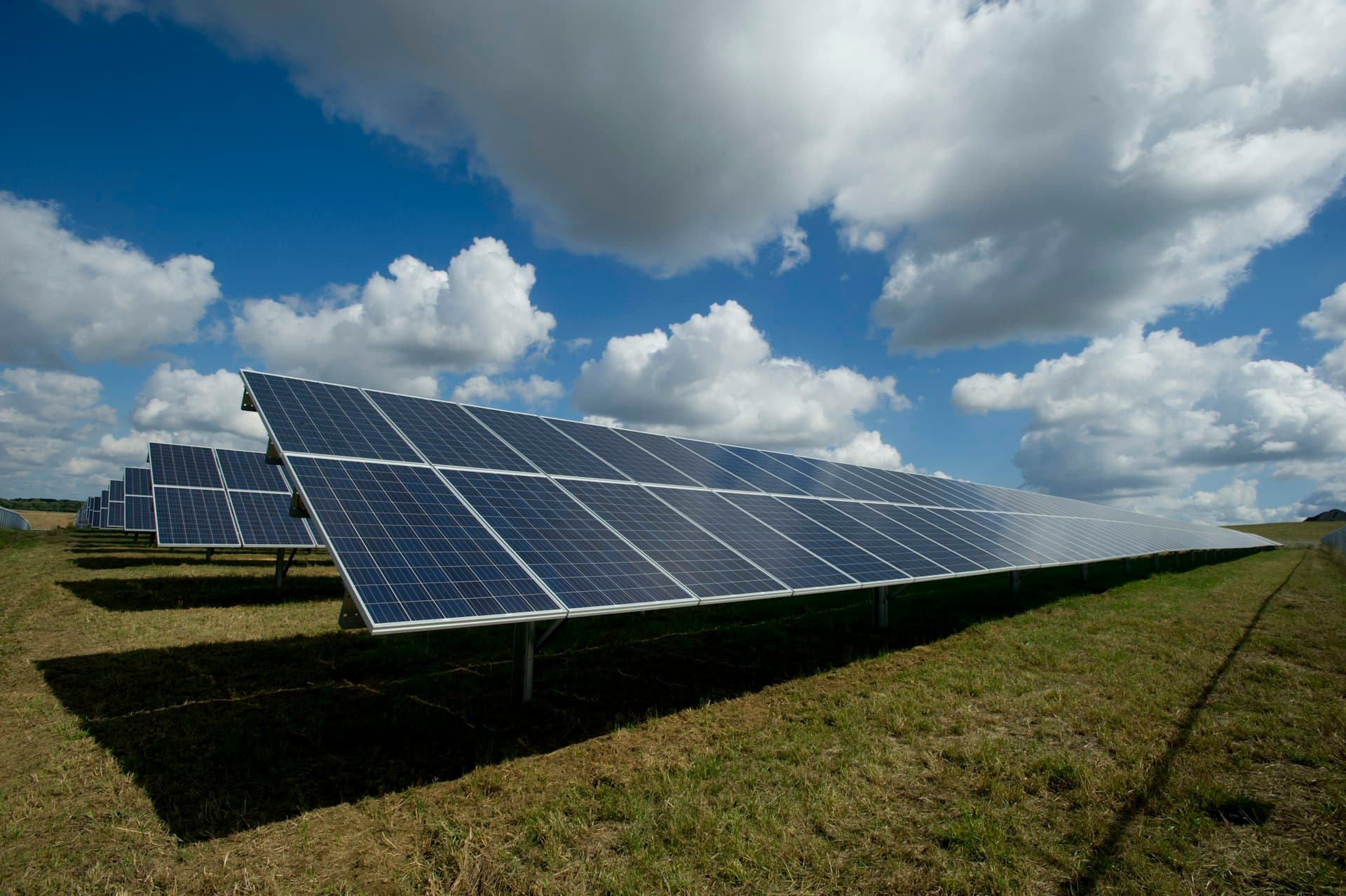
This is where the economics of monitoring outperform the economics of generation alone. Solar photovoltaic capacity now makes up close to half of Kenya's captive generation capacity, yet a poorly monitored solar and grid-hybrid site can still bleed value through inverter underperformance, battery degradation nobody is tracking, or loads that were sized for a facility that has since changed. Every percentage point of unexplained loss compounds monthly, and at scale it is the same arithmetic that costs the national utility grid billions of shillings a year, just applied to a single meter.
Time-of-use tariff structures add a second, often-missed layer of savings once sub-metering is in place. A facility that can see exactly which loads run during peak-tariff windows can shift discretionary consumption, water pumping, non-critical HVAC, battery charging, to cheaper periods, something that is functionally impossible to do deliberately without circuit-level visibility. Most sites that install monitoring purely for loss detection find the tariff-optimisation savings arrive as a bonus they were not originally budgeting for.
AdvaIoT's energy management deployments give facility managers circuit-level and department-level consumption data, real-time solar and battery performance, and anomaly detection tuned to flag the kind of gradual drift that a monthly utility bill will never show you in time to act. Clients typically see cost reductions approaching 40% in the first year, not from a single fix, but from finally being able to see where every kilowatt-hour is actually going.