


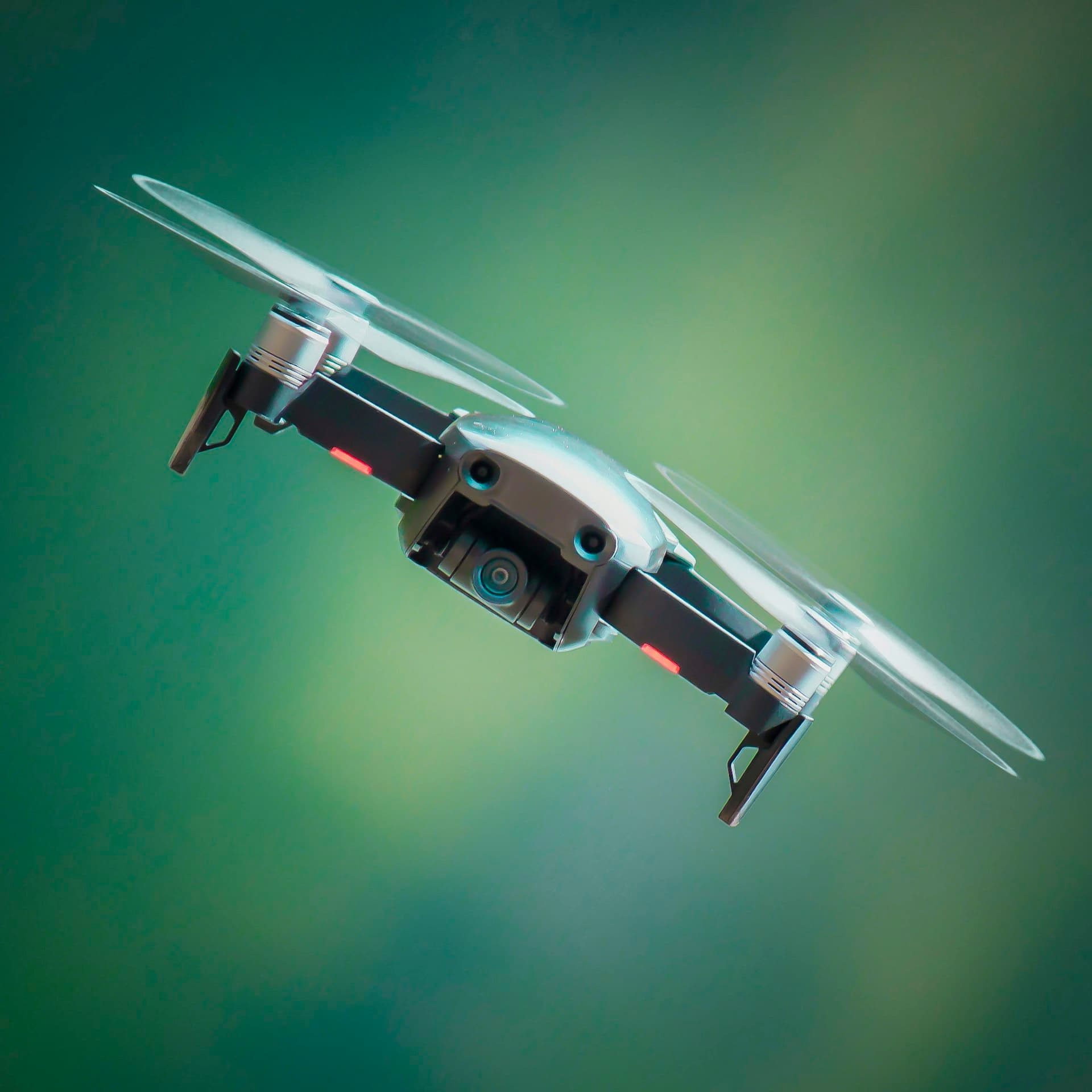
KCAA registration, operator certificates, and altitude limits are not optional paperwork. Here is what commercial drone operations in agriculture actually require.
Drone adoption on commercial farms in Kenya has moved well past the novelty stage, particularly for tea estates, sugar plantations, and large-scale horticulture operations using UAVs for spraying, mapping, and yield assessment. What has not kept pace is general awareness of what the Kenya Civil Aviation Authority actually requires before any of that equipment can legally leave the ground for commercial purposes.
Under the Civil Aviation (Unmanned Aircraft Systems) Regulations, every drone must be registered with KCAA regardless of size or purpose, and every flight requires authorisation. Commercial operations, including contracted agricultural spraying, additionally require a Remote Aircraft Operator Certificate, and medium- to high-risk operations require pilots to hold a Remote Pilot Licence issued through a KCAA-approved training institution. Agricultural spraying specifically requires its own separate permission on top of standard registration, a step many first-time operators miss.
Operational limits matter just as much as the paperwork. Flights are capped at 400 feet above ground level, and pilots must maintain visual line of sight with the aircraft throughout the flight, which shapes how a spraying or mapping mission over a large estate needs to be planned and staffed. Farms working with an uncertified operator are not just risking a fine; they are risking the flight being grounded mid-contract, with the crop-protection window that prompted the booking closing while the paperwork gets sorted out.
For export-oriented tea, flower, and horticulture estates, there is a second reason precision spraying matters beyond regulatory compliance: buyers in the EU and UK enforce maximum residue limits that a blanket ground-spray application can breach more easily than a GPS-guided drone pass calibrated to the exact dose a block needs. An estate that fails an MRL test on a shipment loses far more than the cost of the spraying contract, which is why several of AdvaIoT's repeat agricultural clients came to drone spraying through their export compliance team rather than their farm operations team.
AdvaIoT's drone operations run under certified operator status with pilots holding the required licensing, which is precisely why estates that have been burned by informal operators come to us for repeat contracts. Compliance is not the interesting part of drone agriculture, but it is the part that determines whether your spraying window actually happens when your crop needs it.