
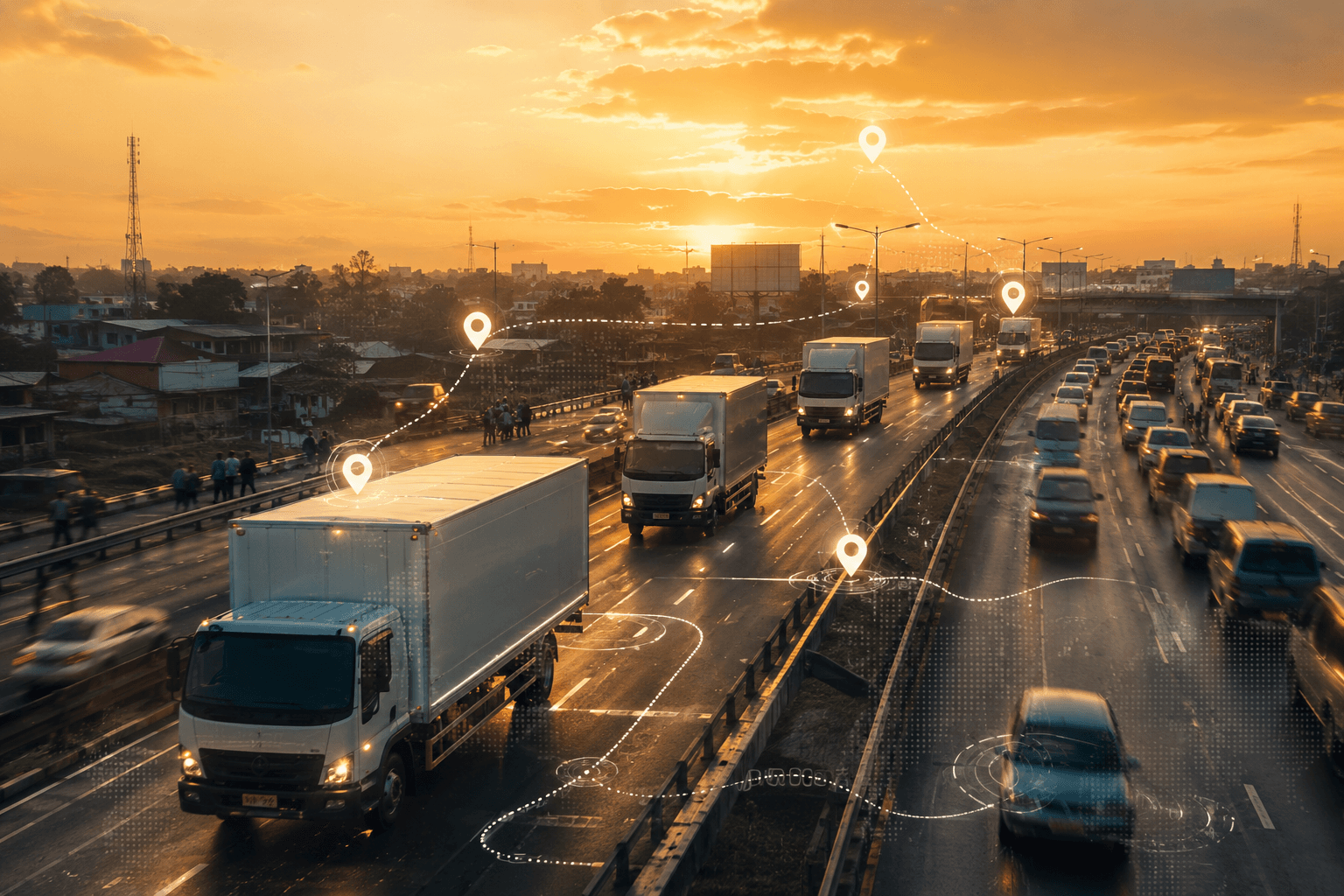
Dispatching the nearest patrol car sounds obvious until you realize most commanders are working from radio calls and guesswork, not live vehicle positions.
The single biggest lever in emergency response time is not how fast a vehicle can drive, it is whether the right vehicle gets dispatched in the first place. Without live location data, a duty officer allocating an incident is working from radio check-ins, memory of where units were last seen, and best guesses about current position. That gap between where a car actually is and where a dispatcher thinks it is routinely adds minutes to response times that matter most in the first few minutes of an incident.
Research into fleet tracking adoption within Kenya's police service has consistently pointed at the same conclusion: real-time location data lets a duty officer identify and deploy the nearest available unit rather than whichever unit last called in. That is a dispatch-logic change, not just a technology change, and it is the difference between a patrol car being sent because it is close and a patrol car being sent because it was the one someone remembered.
The same live-location layer pays off well beyond emergency dispatch. Patrol coverage gaps become visible on a map instead of a hunch, unauthorized detours or unexplained stops generate an audit trail rather than a dispute, and commanders get objective utilization data instead of anecdote when justifying fleet size or shift patterns to their own budget holders.
Fuel accountability is the less-discussed benefit that often justifies the budget line on its own. Patrol vehicles operating with minimal daily oversight are exposed to the same fuel-skimming and unauthorised-use risk as any commercial fleet, and a force that pairs GPS tracking with fuel-level monitoring gets a security upgrade and a cost-control upgrade from the same hardware installation, rather than having to justify two separate procurement cases.
AdvaIoT's law enforcement deployments pair live GPS fleet tracking with geofenced zone alerts and a command dashboard that gives duty officers exactly the nearest-unit view this research points to. The technology is straightforward telematics; what it changes is whether a dispatch decision is made on data or on memory.